

Activated Carbon Filter & Media Maintenance Services
At Riley Equipment Company, media and filter maintenance is treated as an ongoing operating discipline, not a one-time task. Activated carbon systems work hard in demanding environments, and their performance changes gradually under real process conditions. Our activated carbon filter and media maintenance services help facilities understand those changes, plan around them, and keep filtration systems operating as intended over the long term.
Through routine evaluation, data-driven planning, and hands-on technical support, we help extend media life, protect system integrity, and reduce avoidable operational disruptions.
How Activated Carbon Systems Age in Real-World Operations
Activated carbon does not fail all at once. Over time, adsorption capacity declines, pressure drop characteristics shift, and flow patterns inside vessels change. These changes are influenced by contaminant loading, humidity, temperature, flow variability, and operating schedules.
Without regular evaluation, systems can quietly drift toward reduced effectiveness or unexpected breakthrough. Media and filter maintenance services focus on identifying these trends early, before performance loss affects air quality, water quality, or process reliability.
Our Comprehensive Approach to Media and Filter Maintenance Services
Our maintenance support is structured around the entire filtration system, not isolated service actions. We evaluate how media condition, vessel performance, and operating parameters interact over time, then apply that insight to practical maintenance planning. This system-level view helps ensure activated carbon filter and media maintenance services remain aligned with real operating conditions.
Our comprehensive approach includes:
- Ongoing inspection of media condition and vessel performance
- Monitoring of flow behavior and pressure characteristics as systems age
- Maintenance planning informed by operating data and historical performance
- Coordination between media condition, system configuration, and compliance needs
- Long-term support that evolves as process demands change
By treating maintenance as a continuous process, facilities gain greater predictability and control over filtration performance.
Reducing Downtime and Preventing Unplanned Changeouts
Unplanned media changeouts are disruptive, costly, and often avoidable. Subtle changes in pressure drop, flow behavior, or adsorption performance often appear well before a system reaches a critical point. Regular maintenance evaluations help surface those indicators early, allowing changeouts to be scheduled around operations instead of interrupting them. By maintaining visibility into system health, facilities gain greater control over maintenance timing, labor planning, and material handling.
Predictable Maintenance Through Data and Documentation
Effective maintenance relies on more than visual checks. Data and documentation help guide informed decisions about timing, planning, and system adjustments. Our media and filter maintenance services incorporate performance observations that support long-term planning, regulatory reporting, and internal review. This allows facilities to shift away from emergency changeouts toward structured maintenance cycles that align with operational goals and compliance expectations.
Environmental Responsibility Built Into Every Service
Responsible media handling is a core part of our maintenance philosophy. Spent media is managed with environmental requirements in mind, including recycling and disposal practices appropriate for each application. By integrating environmental considerations into maintenance planning, we help facilities support sustainability goals while maintaining filtration performance.
Why Choose Riley Equipment Company as Your Filtration Partner?
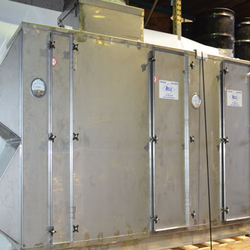
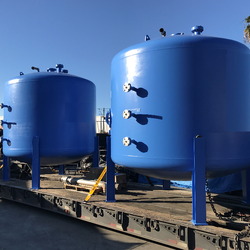
Every filtration system operates within its own set of conditions. Our maintenance approach reflects that reality. We support liquid and vapor phase systems with field-driven insight that accounts for equipment configuration, media type, and real operating demands.
Maintenance activities are coordinated around facility schedules and throughput requirements to reduce interference with daily operations. By understanding how systems perform in practice, not just on paper, we help facilities maintain consistent filtration results under changing conditions.
Talk with a Filtration Specialist Today
If you’re looking to improve system reliability or better understand how your filtration assets are performing, our team is available to discuss your current setup and maintenance strategy. A focused conversation can often reveal opportunities to improve efficiency, planning, and long-term system performance.
Frequently Asked Questions About Our Media & Filtration Services
How often should activated carbon media be evaluated for maintenance or replacement?
Maintenance intervals vary based on contaminant load, system design, and operating conditions. Facilities with variable flows or seasonal changes often benefit from periodic evaluation to confirm media performance before issues develop.
Do operating conditions affect how quickly activated carbon media becomes exhausted?
They do. Factors such as humidity, temperature, airflow velocity, water chemistry, and contaminant type all influence adsorption behavior. Even small changes can impact how long media performs effectively.
Is maintenance planning different for liquid versus vapor phase systems?
While the fundamentals are similar, liquid and vapor systems experience different loading patterns and stress points. Maintenance planning takes these differences into account to support consistent performance in each application.